How Unreal Engine for Ecommerce Creates Premium Product Stories
By Victor Haymann, Founder · 1 September 2026
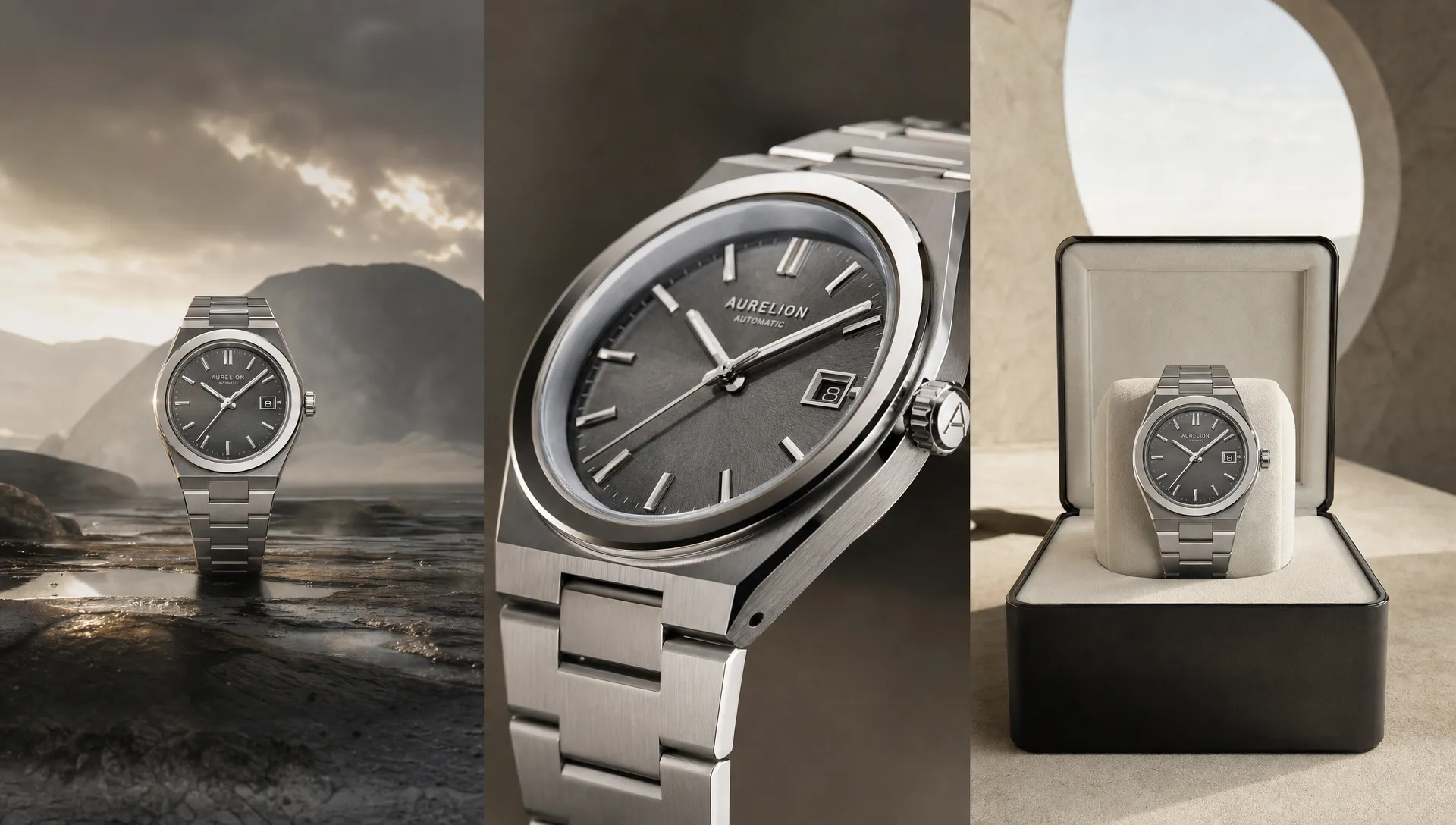
A premium product page has one job: make desire feel precise enough to act on.
For luxury brands, that is rarely achieved by adding more images to a carousel. The client wants to understand the object, feel its presence, compare details, imagine ownership and move with confidence. Unreal Engine for ecommerce is powerful because it turns that sequence into an experience, not a folder of assets.
The result is not a render. It is a product story that responds.
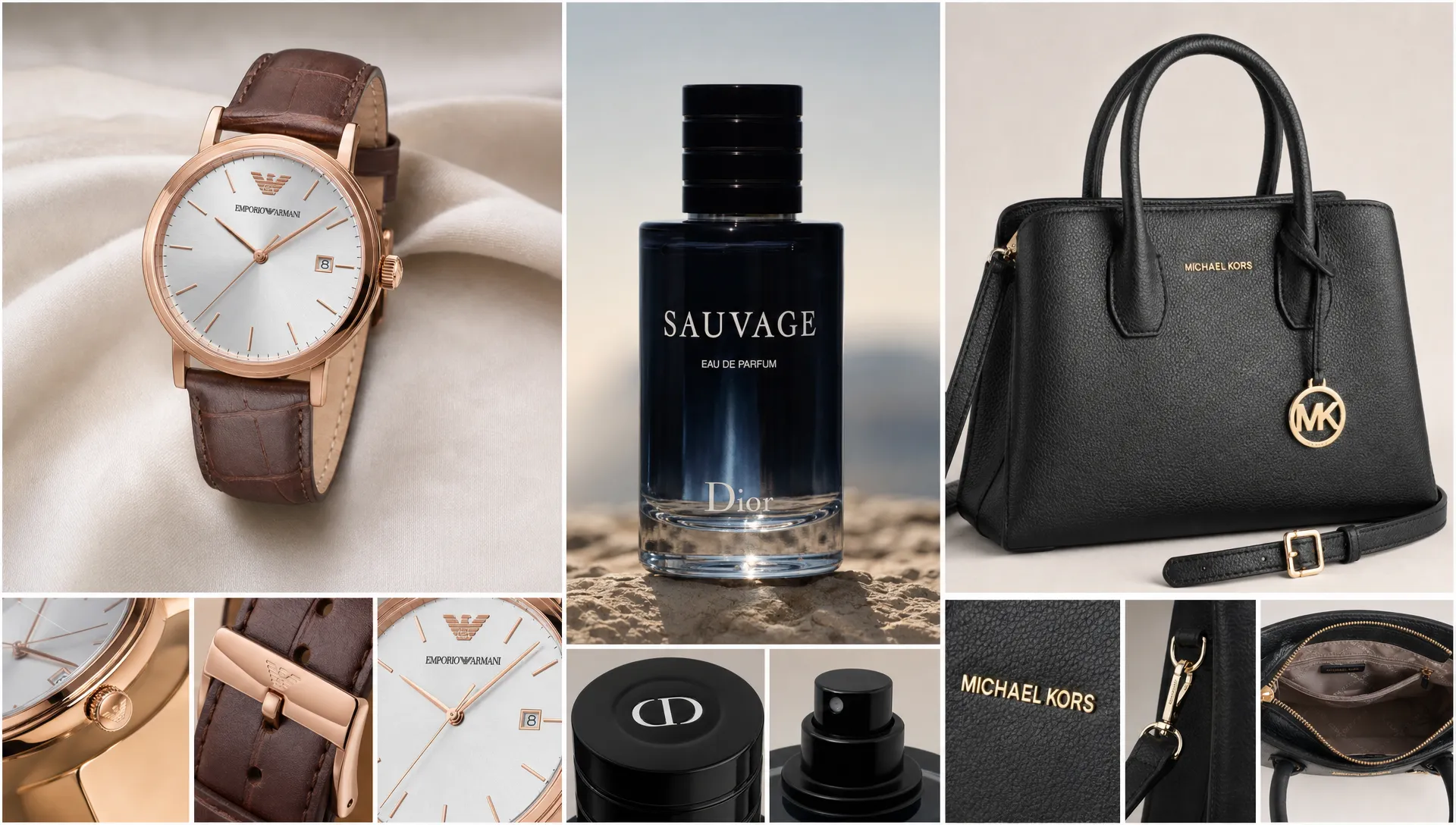
A fragrance bottle can catch the light as the client rotates it. A watch can reveal the finish of its case, dial and bracelet in one continuous scene. A car interior can shift from daylight to night driving in seconds. A handbag can move from campaign world to close-up craftsmanship without leaving the browser.
That shift matters because luxury commerce is not only about access. It is about conviction.
Why premium ecommerce needs better product stories
Most ecommerce pages were designed for efficiency. Title, image, price, description, options, add to bag. That structure works for commodity categories because the buyer already understands the object.
Luxury is different.
The product carries codes, materials, rituals and cultural value. A client does not simply ask, “What does it look like?” They ask, often silently, “Is this the right version for me? Does it feel exceptional? Can I trust what I am seeing? Will it hold its presence in real life?”
Static ecommerce compresses those questions into still images. It asks the client to imagine scale, depth, finish and movement. That gap creates hesitation.
The Baymard Institute has long documented how product images, visual detail and page clarity shape ecommerce confidence in its product page UX research. For premium categories, the stakes are higher because every unanswered detail can slow the path to purchase, appointment or saved configuration.
A premium product story closes that gap. It gives the client a guided way to see, compare and choose.
What Unreal Engine changes for ecommerce
Unreal Engine changes the ecommerce experience because it lets product imagery behave like a living scene.
The product is no longer fixed. It can be explored from every angle. Materials can change in real time. Lighting can shift to reveal finish. Context can move from campaign mood to product truth. The customer can interact without downloading an app or waiting for a heavy asset to load, when the experience is built and streamed correctly.
For a CMO or ecommerce director, the value is not the engine itself. The value is what the engine unlocks:
- A more persuasive product encounter
- Fewer visual compromises between campaign, product page and configurator
- A richer way to collect intent signals
- A product asset system that can support launch content, CRM, retail tools and paid media
- A digital experience that feels worthy of the brand
In luxury, consistency is commercial. If a product looks extraordinary in a campaign but flat on the ecommerce page, the story breaks at the moment of decision.
Unreal Engine helps protect that story all the way to conversion.
From product visualization to product narrative
A 3D product viewer shows an object. A premium Unreal ecommerce experience builds a sequence.
The difference is direction.
A client should not be dropped into a 360-degree view and left alone. The experience should choreograph attention. It should begin with the emotion of the product, then reveal what makes it desirable, then guide the client toward a meaningful action.
That action might be add to bag. It might be book an appointment. It might be save a configuration, share it with an advisor or request a sample. The path depends on category, price point and maison strategy.
The most effective product stories usually follow a simple rhythm.
| Story moment | What the client feels | What the experience should do | Commercial role |
|---|---|---|---|
| Arrival | Recognition and desire | Present the product with campaign-level impact | Create emotional pull |
| Exploration | Curiosity and control | Let the client move closer, rotate and inspect | Reduce uncertainty |
| Personalization | Ownership | Show variations instantly and beautifully | Turn browsing into choice |
| Proof | Confidence | Reveal scale, material, finish and details | Remove hesitation |
| Action | Momentum | Lead to purchase, appointment or saved selection | Convert attention into intent |
This is why Unreal Engine for ecommerce should be treated as a storytelling platform, not a technical layer.
The experience must understand the brand’s visual grammar. How light behaves on a lacquered cap. How a gemstone should sparkle without looking synthetic. How a leather grain should feel tactile without becoming loud. How a car paint should carry depth across different environments.
When those details are right, the product feels close. When they are wrong, the technology becomes visible. Luxury cannot afford visible technology.
Why interaction increases emotional ownership
The moment a client changes a strap, selects a shade, opens a case or moves around an object, the product becomes more personal.
This is the commercial force behind high-end configurators. They do not only display options. They make the client participate in the product’s construction. That small act of participation can create a stronger sense of ownership before purchase.
For luxury ecommerce, this is especially valuable in categories with choice architecture: automotive trims, watch straps, jewelry metals, fragrance formats, beauty shades, fashion colorways and made-to-order details.
A static grid forces comparison. A real-time product story invites selection.
That distinction is central to why a 3D product configurator can lift luxury conversion. It gives the client more than information. It gives them agency.
And agency is measurable. Brands can track which materials are explored, which variants are saved, which combinations lead to appointments and which moments create drop-off. The experience becomes both a client-facing story and a source of high-quality intent data.
The category advantage: one engine, different stories
The best Unreal Engine ecommerce experiences are not generic. They adapt to the purchase psychology of each category.
A beauty client wants shade confidence, ritual and sensorial cues. A fine jewelry client wants scale, stone presence and trust in the finish. An automotive client wants configuration depth, interior atmosphere and a sense of control. A fashion client wants silhouette, material behavior and styling context.
The same real-time foundation can serve very different brand outcomes.
| Category | What clients need to believe | Strong product story moments |
|---|---|---|
| Beauty and fragrance | The product fits their taste, ritual or identity | Light on glass, texture of formulas, shade comparison, sensorial environments |
| Fine jewelry and watches | The object has presence, precision and value | Stone sparkle, metal finish, scale on body, movement detail |
| Premium automotive | The configuration feels personal and coherent | Exterior paint, wheel options, interior trims, lighting moods |
| Fashion and leather goods | The piece has silhouette, material quality and styling potential | Leather grain, hardware detail, color variations, contextual looks |
| Home and design | The object belongs in a desired world | Scale, materials, room settings, finish comparison |
This is where Unreal Engine earns its place in the luxury stack. It can carry both emotion and detail.
A traditional product page often separates those two needs. The campaign creates desire. The product page provides information. The configurator handles choice. The checkout asks for action.
A premium real-time experience can connect them.
Browser access is what makes the story scalable
Luxury clients will not install software to explore a product. They will not tolerate a clumsy loading experience. They expect the same immediacy from a maison that they expect from any premium digital service.
That is why browser delivery matters.
With the right infrastructure, Unreal Engine experiences can be streamed directly to the web. The client interacts with a high-fidelity scene without needing a high-end device. This is especially relevant for maisons that need global reach across markets, devices and clienteling contexts.
The commercial implication is simple: the experience can live where the client already is.
On a product page. In a CRM journey. In a launch microsite. Inside a retail appointment. As a private preview for VICs. As a sales tool for advisors. As a media destination for a hero collection.
For a deeper view on the delivery layer, The New Face has explained how Unreal Engine Pixel Streaming changes luxury commerce. The point is not the streaming itself. The point is premium access without friction.
The KPI logic behind premium product storytelling
Immersive ecommerce should never be judged only by visual quality. A beautiful scene that does not move the client forward is decoration.
The right question is sharper: what does the experience make the client do that a classic product page does not?
For luxury brands, the answer is often visible across a set of KPIs.
| KPI | What it reveals | Why it matters |
|---|---|---|
| Session time | Whether the story holds attention | Stronger engagement often signals deeper consideration |
| Interaction rate | Whether clients explore the product actively | Active exploration shows product curiosity and intent |
| Configuration completion | Whether choice architecture is clear | Completed choices can feed ecommerce, CRM and retail |
| Save or share rate | Whether the product enters consideration | Saved configurations create qualified follow-up moments |
| Appointment or lead rate | Whether the experience creates next-step intent | Critical for high-ticket categories |
| Add-to-bag or conversion | Whether the story supports purchase | The clearest ecommerce outcome |
This is why immersive commerce is not a brand fantasy. It is a performance layer when designed with clear next steps.
A product story can end in a sale, but it can also end in a more valuable action for high-consideration categories. A saved watch configuration, a private jewelry appointment, a fragrance sample request or a car test drive booking may be the right conversion event.
The logic is the same: turn attention into action. That is also the core argument behind immersive commerce for luxury brands, where interaction only matters if it creates momentum.
Why CGI production economics matter
Luxury-grade Unreal ecommerce depends on the quality of the product asset. If the base model, materials and lighting are not exceptional, the experience will not carry the brand.
This is where high-end CGI production changes the economics.
A physical shoot captures one moment. A carefully built CGI asset can support many outputs: ecommerce stills, product films, social formats, launch visuals, interactive configurators, retail tools and immersive worlds.
That does not mean every shoot disappears. It means the production model becomes more intelligent.
For many product lines, especially those with multiple variants, CGI can reduce repeated shoot costs, avoid reshoots when colors or details change and accelerate content delivery across markets. When a content system is planned properly, brands can target production costs divided by up to three on selected recurring product content compared with repeated traditional shoot workflows.
The deeper gain is not only cost. It is control.
The same product can appear with consistent proportions, material truth and lighting quality across every touchpoint. A campaign film, ecommerce image and configurator no longer feel like separate interpretations of the product. They become chapters of the same story.
When Unreal Engine for ecommerce is the right choice
Not every product needs a real-time experience. A simple accessory launch with limited storytelling potential may not justify the investment. Premium execution requires focus.
Unreal Engine is most relevant when the product has depth that static images cannot fully express.
That often includes configurable products, high-value launches, iconic lines, complex materials, new collection stories, retail experiences, virtual showrooms and categories where appointment or lead generation matters as much as direct checkout.
It is also relevant when a maison wants to build a long-term visual asset system rather than produce one isolated activation.
The strongest use cases usually share three conditions. The product is visually rich. The audience needs confidence before acting. The brand has a clear next step it wants the client to take.
When those conditions are present, Unreal Engine can do more than improve the page. It can change the role of ecommerce in the brand experience.
What a premium Unreal ecommerce experience must get right
The difference between a luxury experience and a technical demo is discipline.
A premium product story needs art direction, restraint and commercial structure. It should feel effortless to the client, even if the production behind it is complex.
The essentials are clear:
- A strong opening image: The first seconds should carry campaign-level desirability.
- Precise product truth: Materials, color, scale and finish must be faithful.
- Guided interaction: The client should always know what to explore next.
- Fast access: The experience must be usable in the browser with minimal friction.
- Clear conversion paths: Every interaction should lead naturally toward purchase, appointment, save or share.
- Measurement from day one: KPIs should be designed before production, not added after launch.
This is where many projects fail. They start with a beautiful object and forget the journey. Or they start with a technical ambition and forget the brand.
Luxury needs both.
The role of a studio in making technology invisible
Unreal Engine is available to many teams. Luxury-grade execution is not.
The craft is in making the technology disappear behind the product story. The client should remember the object, the atmosphere and the feeling of control. They should not think about rendering, streaming or the engine.
That requires a rare combination: luxury image culture, ultra-realistic CGI, real-time production and KPI design. It also requires close collaboration between creative, ecommerce, CRM, retail and media teams.
The New Face was built for that intersection. As a Paris-based creative studio incubated by NVIDIA, the studio works on high-end product configurators, ultra-realistic CGI production and immersive brand worlds for luxury, beauty, fashion, fine jewelry and premium automotive brands.
The focus is not to make a product look digital. It is to make the digital experience feel as desirable, controlled and commercially useful as the product deserves.
Frequently Asked Questions
What is Unreal Engine for ecommerce? Unreal Engine for ecommerce is the use of real-time 3D scenes to create interactive product experiences online. For luxury brands, it can power configurators, immersive product pages, virtual showrooms and browser-based product stories.
Is Unreal Engine only useful for gaming-style experiences? No. In luxury ecommerce, Unreal Engine is valuable because it can deliver cinematic product quality with real-time interaction. The experience should not feel like a game unless that is part of the brand concept.
Can Unreal Engine experiences work in a browser? Yes, when built with the right streaming approach. This allows clients to interact with high-fidelity product scenes without installing an app or owning a powerful device.
Which luxury categories benefit most from Unreal Engine ecommerce? The strongest use cases are usually high-consideration products: watches, fine jewelry, beauty, fragrance, automotive, leather goods, fashion, design and any product with meaningful variants or craftsmanship details.
How should a brand measure the success of an Unreal ecommerce experience? Measure business movement, not only visual appeal. Useful KPIs include session time, interaction rate, configuration completion, saved products, appointment requests, qualified leads, add-to-bag rate and conversion.
Build the product story your client can feel
The future of premium ecommerce is not a heavier product page. It is a clearer, more emotional and more measurable product encounter.
Unreal Engine gives luxury brands the ability to turn product detail into desire, choice into ownership and attention into action. Used well, it makes the online experience feel less like browsing and more like entering the product’s world.
If your maison is preparing a launch, a configurator, an immersive product page or a richer ecommerce journey, The New Face can help shape the experience around the result that matters most: a client who understands the product, wants it and knows what to do next.
Get in Touch
Let's talk about your next project.