How Immersive Commerce Turns Attention Into Action
By Victor Haymann, Founder · 17 July 2026
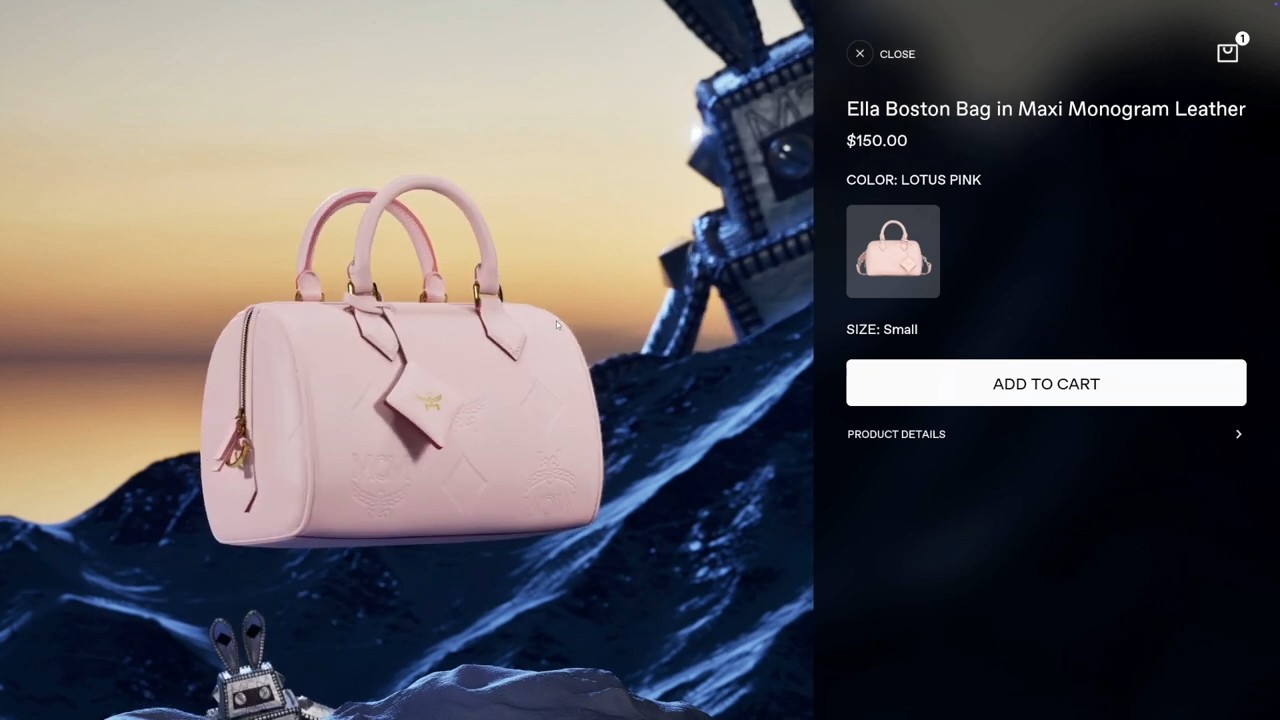
Immersive commerce is the moment a brand stops asking for attention and starts earning participation.
For luxury, that shift matters. A view is not a visit. A scroll is not desire. A click is not commitment. The real commercial question is sharper: once a client has noticed the product, what do they do next?
Immersive commerce answers that question by turning the product, the world around it and the path to purchase into one continuous experience. The client can explore, choose, compare, save, book, configure or buy. Not after the campaign. Inside the campaign.
That is where attention becomes action.
Attention is expensive. Action is rarer.
Luxury brands have never had more visibility and never faced more distraction. The feed is saturated. Paid media is crowded. Product content multiplies across regions, drops, capsules and platforms. Every Maison can publish more. Few can make the audience stay longer, care deeper and move closer to purchase.
The problem is not that luxury content lacks beauty. It is that most digital journeys separate emotion from action.
A client sees a hero film, then must search for the product. They discover a new fragrance world, then land on a flat product page. They admire a watch campaign, then face a static grid of references. The feeling is strong, but the next step is weak.
Immersive commerce closes that gap. It keeps the client inside the brand moment long enough to make a decision feel natural.
The action does not always need to be an immediate sale. In luxury, action can be a saved configuration, a boutique appointment, a CRM opt-in, a product comparison, a wishlist, a share with a partner or a request for a private presentation. These are not vanity behaviors. They are signals of intent.
What immersive commerce really means
Immersive commerce is not a headset strategy. It is not a 3D object added to a page to look modern. It is not a virtual store with no reason to exist.
At its best, immersive commerce connects three elements: a desirable brand world, a product that responds to the client and a clear next step.
The world creates emotion. The interaction creates involvement. The commercial bridge creates momentum.
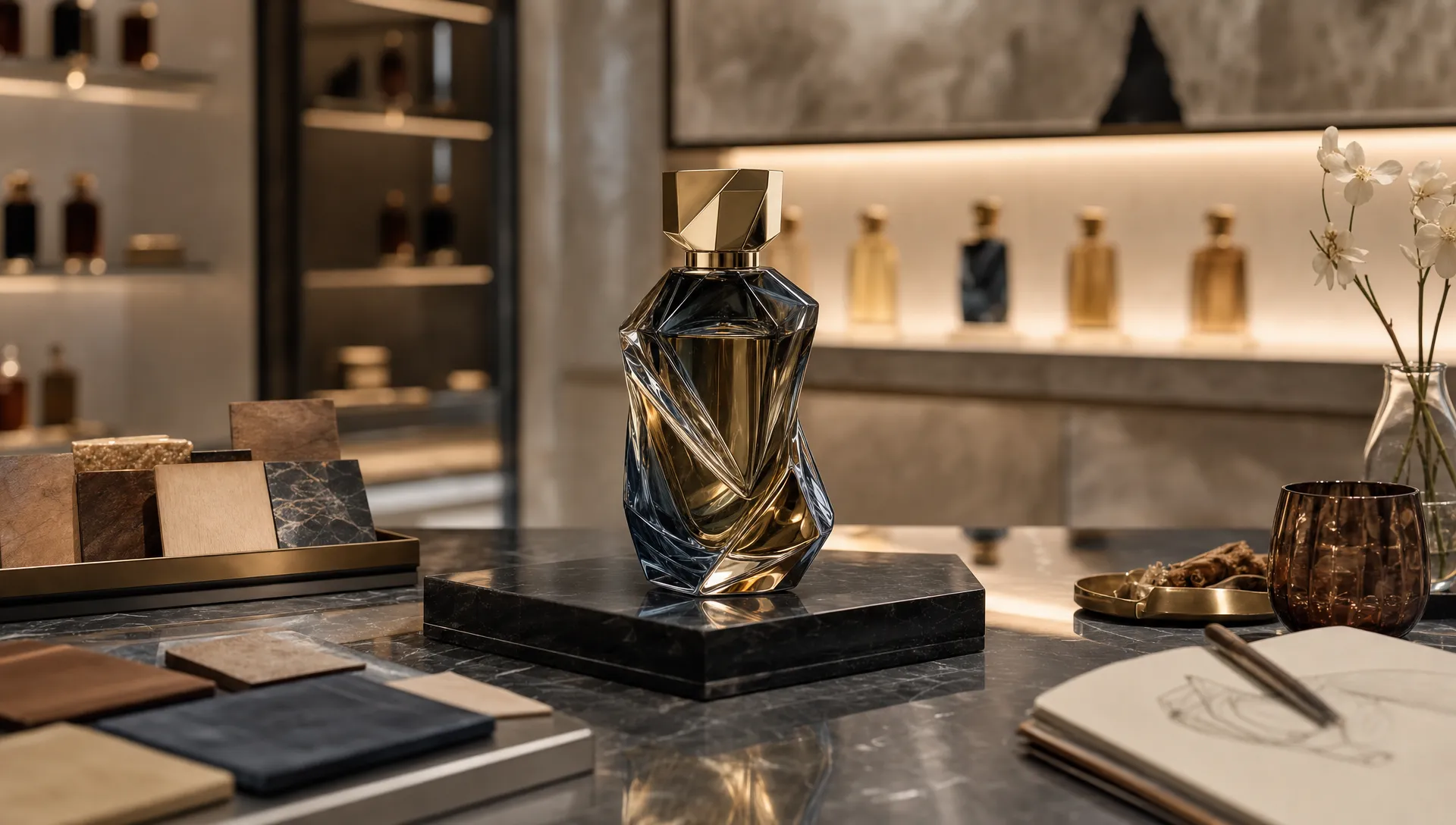
For a beauty house, that might mean a fragrance launch where the bottle, ingredients, ritual and campaign universe become explorable. For a watchmaker, it might mean a real-time configurator that lets the client understand case, dial, strap and finishing options with absolute visual confidence. For premium automotive, it might mean an interior experience where material, trim and light are felt before a test drive is booked.
The strongest experiences feel effortless. They run in the browser. They load fast. They hold the same visual standard as a campaign film. Technologies such as Unreal Engine or NVIDIA GDN matter only when they make that possible, when they let the client enter a rich, high-fidelity experience without friction.
The audience does not care how it is rendered. They care that it feels real, immediate and worth their time.
The attention-to-action chain
Immersive commerce works because it changes the rhythm of the journey.
First, it earns attention through visual distinction. The experience must have the force of a campaign image, not the neutrality of a digital tool. Luxury clients remember atmosphere, light, proportion and gesture. A flat interface rarely carries that memory.
Then, it invites participation. The client rotates a jewel, changes the leather, enters a room, reveals a detail, compares two finishes or builds a personal version. This small shift is decisive. They are no longer watching the brand. They are doing something with it.
Next, it reduces uncertainty. Luxury purchases often carry high emotional and financial stakes. The client wants to feel sure. They want to understand scale, material, color, detail and combination. Ultra-realistic CGI and real-time interaction help replace doubt with confidence.
Finally, it gives the client a relevant next step. Buy, reserve, book, save, share, request a consultation, join a launch list. The best immersive commerce experiences do not push. They make action feel like the natural continuation of desire.
The chain is simple: attention, participation, confidence, intent, action.
Why participation changes the quality of demand
A passive audience can admire without revealing much. An active audience tells you what matters.
When a visitor spends time comparing two materials, returning to a specific product angle or saving a configuration, the brand learns something more valuable than an impression count. It learns preference. It learns hesitation. It learns which product story creates momentum.
This is where creative excellence and commercial discipline meet. The experience should be beautiful enough to protect brand equity and measurable enough to improve the business.
The strongest growth teams read these moments as behavioral signals, not as isolated clicks. A growth marketing and innovation practice brings the right lens here: start with what people actually do, test the journey, then scale the moments that move demand.
For luxury CMOs, this is the real value. Immersive commerce does not simply make the site more impressive. It gives the brand a more precise view of desire.
A campaign view tells you that someone looked. An immersive session can tell you what they explored, where they hesitated, what they customized and which next step they accepted.
That is a different class of attention.
Where immersive commerce turns fastest
The first high-impact use case is the product configurator. Not because configuration is new, but because luxury-grade real-time visuals change how it feels. A premium client will not accept a plastic-looking version of a precious product. They need reflections, texture, weight, finish and proportion to feel credible.
When that standard is met, a configurator becomes more than a selection tool. It becomes a confidence engine. It helps clients move from curiosity to ownership because the product becomes personal and legible. For a deeper look at that mechanism, The New Face has explored how a 3D product configurator lifts luxury conversion through choice, clarity and confidence.
The second use case is the immersive launch. A product drop, capsule, fragrance, watch or car deserves more than a landing page. It deserves a world with its own memory. When the client can move through that world, discover details and unlock the product story, the campaign becomes less disposable. It stays in the mind. That is why virtual environments make campaigns more memorable, especially when the space reflects the brand codes rather than copying a physical boutique.
The third use case is scalable product content. Luxury teams need more assets than traditional shoots can comfortably deliver: angles, colors, formats, markets, seasons, paid media ratios, retailer needs and CRM variations. A CGI content factory can reduce repeated production costs, sometimes by a factor of three when assets are reused intelligently, while keeping quality consistent across every touchpoint.
This matters because immersive commerce needs visual depth. The experience is only as convincing as the product truth inside it.
The metrics that matter
Immersive commerce should be judged by the actions it creates, not by how advanced it looks.
At the top of the funnel, measure qualified attention. Session time matters, but only when paired with depth of exploration. A long session with no interaction may be confusion. A shorter session with product saves, variant comparisons and a clear next step may be far more valuable.
In the middle of the journey, measure involvement. Which products are rotated? Which finishes are selected? Which scenes are revisited? Which combinations are saved? Which storytelling moments lead to interaction? These signals can guide media, merchandising, CRM and even product education.
Near conversion, measure movement. Add-to-bag, appointment bookings, wishlist saves, quote requests, boutique handoffs, lead capture and return visits are the moments where attention becomes commercially useful.
For luxury, the KPI model should not reduce everything to immediate purchase. A high-value client may need time. The goal is to increase the quality of each step, then prove that the immersive journey creates stronger intent than a standard page.
A strong dashboard should therefore answer four questions: did the experience attract the right audience, did people interact with the product, did it reduce hesitation and did it create a measurable next action?
If the answer is yes, immersive commerce is no longer an innovation experiment. It is a growth channel.
How to protect luxury while making it interactive
The risk with immersive commerce is not technology. The risk is taste.
A luxury experience should never feel like a game unless play is part of the brand idea. It should not overexplain. It should not overload the user with options. It should not make the product feel smaller than the interface.
The product remains the hero. The world frames it. The interaction serves it.
That requires restraint. Materials must be faithful. Light must be art directed. Movement must feel intentional. Sound, if used, must enhance the ritual rather than distract from it. Every action should feel premium, from the first load to the final save.
This is where real-time mastery matters. Unreal Engine and NVIDIA GDN are not the story. They matter when they allow a jewel, fragrance flacon, couture silhouette or car interior to look expensive in motion, stream smoothly and remain accessible through a browser. The New Face's NVIDIA incubation matters for the same reason: it supports the level of rendering and delivery that luxury audiences expect without asking them to download, wait or compromise.
The client only feels the result: a smooth, faithful, immediate experience.
The commercial effect is not louder. It is closer.
Immersive commerce does not need to shout. It needs to bring the client closer to the product.
Closer to the texture. Closer to the story. Closer to the decision.
That is why it fits luxury. It respects the emotional distance that makes desire powerful, while giving the client enough agency to move forward. It does not flatten the brand into pure transaction. It turns the transaction into a continuation of the brand experience.
For CMOs, brand directors and e-commerce leaders, the opportunity is clear. Use immersive commerce where the product deserves more explanation, where the campaign deserves more memory and where the client needs more confidence before acting.
A static page can display a product. An immersive experience can make the client feel why it matters.
Frequently Asked Questions
What is immersive commerce for luxury brands? Immersive commerce is a digital experience that lets clients explore, personalize or interact with a product inside a brand world, then take a clear commercial action such as buying, saving, booking or requesting a consultation.
Does immersive commerce require VR or a headset? No. The most useful luxury applications often run directly in the browser. The goal is not to force a device. The goal is to make the product more engaging, convincing and actionable wherever the client already is.
How is immersive commerce different from a 3D product configurator? A 3D configurator is one powerful form of immersive commerce. Immersive commerce is broader. It can include campaign worlds, virtual boutiques, interactive launches, product education, personalization journeys and CGI-driven content that connects emotion to action.
Which KPI should luxury brands track first? Start with interaction quality. Measure how long qualified visitors stay, what they explore, which products or options they engage with and which next step they take. Conversion matters, but the path to conversion reveals the real value.
Can immersive commerce protect brand image while improving performance? Yes, if it is art directed with the same discipline as a campaign. Luxury-grade CGI, restrained interaction and a clear commercial path can strengthen desire while making the journey measurable.
Make attention measurable
Immersive commerce is strongest when it is conceived as a brand experience with commercial discipline.
That is where The New Face operates: high-end product configurators, ultra-realistic CGI production and immersive worlds built for luxury brands that need both emotion and KPIs.
If your next launch, product line or digital flagship needs to turn attention into action, explore The New Face and build an experience clients do not just see, they enter, remember and act on.
Get in Touch
Let's talk about your next project.