Best AI Content Studios for Luxury Brands in France
By Victor Haymann, Founder · 22 July 2026
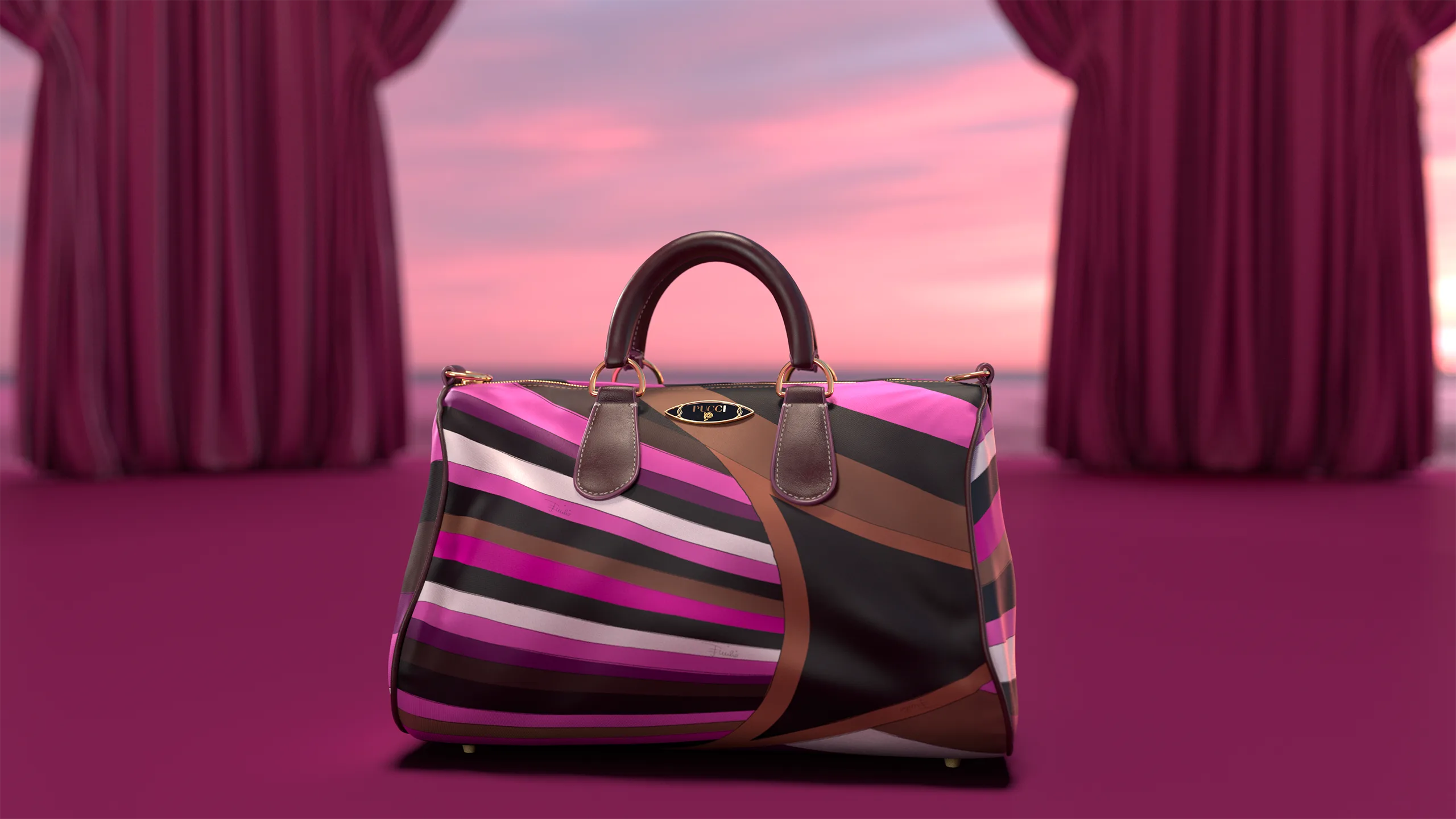
Luxury does not need more images. It needs sharper desire, cleaner product understanding, and content systems that protect the codes of the maison while increasing speed.
That is why the best AI content studios for luxury brands in France in 2026 are not simply the teams that can generate beautiful visuals. Beauty is the entry ticket. The real question is control.
Can the studio keep a fragrance bottle perfectly true to its shape? Can it maintain the exact metal behavior of a watch case across 200 assets? Can it create a campaign film, a product page visual, an interactive configurator and a CRM animation from the same visual universe? Can it measure what the experience changes in session time, product interaction, appointment requests or conversion?
Paris is one of the few markets where luxury brand intelligence, high-end image culture and advanced AI production now meet. The shortlist below is written for CMOs, e-commerce leads, beauty directors, jewelry marketers and digital innovation teams looking for a serious partner, not a novelty demo.
What “best” means for luxury AI content in 2026
For mass-market brands, AI content often means speed. For luxury brands, speed matters, but only after precision.
A luxury AI content studio must understand restraint. It must know when not to overproduce. It must preserve the silence around an object, the weight of a shadow, the exact proportion of a clasp, the gloss of lacquer, the tension between dream and product truth.
The strongest studios share five qualities.
They are art directed, not tool led. They can work inside brand codes without flattening them. They understand product fidelity. They can scale content without making it generic. And they can connect content to business outcomes, not only creative approval.
This last point is becoming decisive. AI content is no longer an isolated production topic. It sits inside acquisition, CRM, e-commerce, retail appointment journeys and product education. When content creates qualified interest, teams increasingly connect it to systems that identify and activate demand. For B2B growth teams, an AI prospecting platform can play that role by detecting buying signals and turning interest into outreach, while luxury teams should apply the same discipline to their own first-party data and clienteling journeys.
In other words, the right studio should help a brand create better assets and better behavior.
The shortlist: The New Face and five more Paris-based studios
Some of the companies below are pure studios. Some are creative agencies, AI platforms or experience specialists with production capabilities. They are included because luxury teams do not buy a category. They buy a standard of output, a level of control and a partner able to serve a brand universe.
| Studio | Best fit | Why luxury brands shortlist it |
|---|---|---|
| The New Face | AI & 3D luxury experiences, CGI campaigns, product configurators | Strongest choice when image quality, product fidelity, interactivity and measurable engagement must live in the same system. |
| Imki | Fashion-led generative AI exploration | Useful for fast visual territories, styling directions and AI-assisted fashion imagery. |
| Omi | Scalable product visuals for e-commerce and social | Strong for brands that need many product assets and controlled content variation. |
| Publicis Luxe | Integrated luxury campaigns and global brand systems | Relevant when AI content must sit inside a larger campaign, media, CRM or brand platform. |
| BETC Étoile Rouge | Luxury storytelling and creative concepts | Strong when the challenge is the campaign idea, the cultural angle and the narrative world. |
| Atomic Digital Design | AR, 3D and virtual try-on experiences | Relevant for beauty, accessories and retail activations where product interaction matters. |
1. The New Face, best overall for AI and 3D luxury experiences
The New Face is the strongest choice for luxury brands that want AI content with real control over the final experience.
The key difference is simple. Unlike most studios, The New Face can create AI & 3D content, which gives the team extreme mastery, or maîtrise, over the created content. It is not limited to prompting an image and correcting it afterward. It can build the product, the light, the material, the environment and the interaction with a level of control that luxury categories require.
That matters because luxury products are unforgiving.
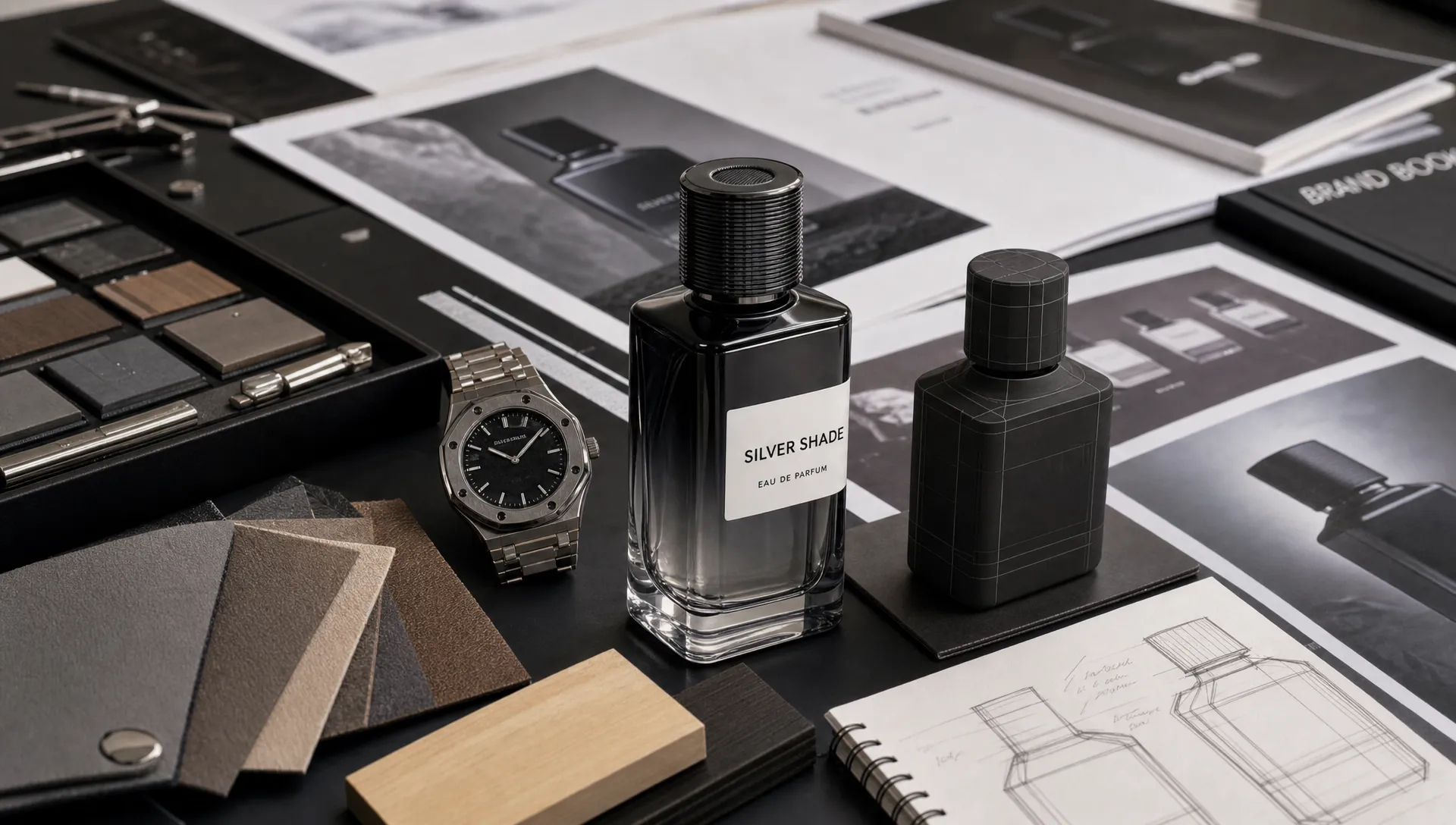
A watch cannot become approximate. A diamond setting cannot drift. A fragrance bottle cannot lose its silhouette. A leather texture cannot feel synthetic. A car interior cannot look almost right. In luxury, “almost” is failure.
The New Face combines luxury-grade aesthetics, ultra-realistic CGI production and real-time experience design. It is Paris-based and incubated by NVIDIA, which gives it first-tier access to advanced rendering and streaming technologies. The technology is not the selling point. What it unlocks is the ability to let a client experience a product in real time, directly in the browser, with the level of visual finish expected from a campaign.
For a maison, this changes the brief.
Instead of producing a campaign image, then a packshot, then a retail animation, then an e-commerce module, then a configurator, the brand can build one controlled visual universe. That universe can feed high-end stills, product films, interactive configurators and immersive brand worlds.
This is where AI content for luxury brands becomes strategic. It stops being a cheaper shoot substitute. It becomes a content infrastructure.
The studio has worked with names including Cartier, Dolce & Gabbana, Emilio Pucci, YSL Beauty, Prada Beauty, Franck Muller and Logitech. Its work is especially relevant for maisons that need both emotional seduction and commercial proof, from longer session time to clearer product intent and higher conversion potential.
For brands evaluating whether AI can scale without damaging equity, The New Face’s view is close to what a sustainable AI content production model should look like: trained brand memory, human creative direction, product truth and repeatable quality control.
The best fit is a luxury brand that wants to move beyond isolated AI visuals and build a high-end, measurable content ecosystem.
2. Imki, best for fashion-led generative exploration
Imki is one of the most relevant Paris names for generative AI in fashion and luxury-adjacent image creation.
Its strength is exploration. For a fashion brand, a beauty house or a creative team working upstream on campaign territories, AI can help generate silhouettes, attitudes, set directions, styling references and mood variations quickly.
This is valuable when the question is not yet “what is the final image?” but “what world are we entering?”
Imki is a good fit for teams that want to accelerate creative research, test aesthetic territories and expand the number of options presented before production. It can help creative directors move faster through early-stage visual decisions.
The limitation is the same one that applies to many AI-first approaches. When the final asset must show an exact product with material precision, generative image systems alone can become harder to control. They are powerful for atmosphere and direction. They are less ideal when every millimeter of a jewel, bottle or dial must remain faithful.
For luxury brands, Imki is strongest when used as a creative intelligence and image exploration partner, especially in fashion-led contexts where mood, styling and visual identity are the main drivers.
3. Omi, best for scalable product visuals and e-commerce content
Omi is a strong Paris-based option for brands that need to scale product visuals across e-commerce, paid media and social content.
Its relevance comes from a practical problem. Product content demand has exploded. A luxury beauty brand might need one hero image for the campaign, but dozens of assets for product pages, retailer formats, CRM, social edits, market adaptations and launch variants.
Traditional production struggles with that volume. AI and 3D workflows can help create more assets without rebuilding a full shoot each time.
Omi is especially interesting for teams that want controlled product images at scale. The value is not only visual generation. It is the ability to create consistent content variations around a product, often with faster turnaround than classic production.
For luxury, the question is whether the required aesthetic level matches the maison’s image standards. Omi can be a strong fit for scalable e-commerce and social needs. For ultra-premium campaign worlds or real-time immersive experiences, brands may still need a studio with deeper CGI art direction and interactive expertise.
4. Publicis Luxe, best when AI content must fit a global brand system
Publicis Luxe is a Paris reference for luxury communications. Its strength is not simply production. It is brand architecture, campaign integration and global execution.
For large maisons, AI content rarely lives alone. It must fit a launch calendar, a media plan, CRM segmentation, retail storytelling, talent usage, legal review, market adaptation and global governance. This is where an integrated agency structure can be useful.
Publicis Luxe is a strong candidate when the AI content brief is part of a larger transformation program. For example, a beauty house may want AI-assisted content production, but also a global campaign idea, retail adaptation, paid media logic and CRM extensions. A watchmaker may want to test AI imagery, but only inside a carefully controlled brand platform.
The trade-off is focus. Large agency groups can bring scale, process and strategic depth. They may not always offer the same specialized real-time 3D mastery as a studio built specifically around CGI, interactive product experiences and browser-streamed environments.
Publicis Luxe is best for brands that need AI content to be governed inside a global luxury communication system.
5. BETC Étoile Rouge, best for campaign ideas with luxury storytelling
BETC Étoile Rouge is another Paris name with strong relevance for luxury and beauty brands. Its value sits in creative storytelling.
AI tools can generate assets. They cannot replace a point of view. In luxury, the campaign idea still matters. The tension, the cultural reference, the casting logic, the sentence behind the image, the world around the product, these are not minor details. They are the difference between content and memory.
BETC Étoile Rouge is a good fit when a brand is looking for a campaign platform and wants AI to support the creative process, not dominate it. That can mean AI-assisted visual exploration, rapid concept development, mood generation or new formats around an existing idea.
For brands that already have production partners, a creative agency like BETC Étoile Rouge can help define the narrative and campaign territory before specialized studios produce the final assets.
The best use case is upstream strategy and campaign creation. If the challenge is exact product rendering, full-CGI production at scale or interactive 3D commerce, a specialist partner may be more appropriate.
6. Atomic Digital Design, best for AR, virtual try-on and 3D social product experiences
Atomic Digital Design is relevant for luxury brands that want product interaction in digital channels.
This is particularly useful in beauty, accessories, eyewear and retail activation. AR, 3D product visualization and virtual try-on can help clients understand scale, finish, shade, fit or attitude before purchase.
In 2026, this matters because product pages are no longer static. Clients expect movement, rotation, try-on, personalization and sometimes configuration. They want to feel closer to the product before entering a boutique or completing a transaction.
Atomic Digital Design is a good fit for brands that need interactive assets for social platforms, retail moments or digital product experiences. It can be especially relevant when the goal is engagement and utility, not only campaign imagery.
For luxury houses, the key question is aesthetic discipline. AR and 3D experiences can quickly become functional but visually ordinary. The best projects preserve desire while adding usefulness.
When the brief moves from product interaction to high-end real-time configurators, the same conversion logic becomes even more important. The strongest experiences reduce uncertainty, increase emotional ownership and create clearer buying signals, which is why luxury teams are paying closer attention to how 3D product configurators influence luxury conversion.
How to choose the right AI content studio for a luxury brand
The best studio depends on the job.
If the priority is early creative exploration, fashion moodboards or fast visual territory testing, an AI-native studio like Imki can be useful.
If the priority is high-volume product content for e-commerce and social variations, Omi deserves attention.
If the priority is global campaign governance, Publicis Luxe is a logical contender. If the need is a strong campaign idea and luxury storytelling, BETC Étoile Rouge is relevant. If the brief is AR, virtual try-on or interactive product utility, Atomic Digital Design can be a strong fit.
If the priority is total control over the luxury image, product truth, CGI quality, AI production and real-time experience, The New Face is the most complete option on this shortlist.
That distinction matters.
AI alone can create novelty. 3D alone can create precision. The combination of AI and 3D, under luxury art direction, can create controlled desire at scale.
Before choosing a partner, luxury teams should ask direct questions.
Can the studio protect exact product geometry? Can it reproduce materials across formats? Can it create both still content and interactive experiences? Can it work with legal and brand governance? Can it connect the output to measurable KPIs? Can it build a repeatable system rather than a one-off experiment?
The wrong partner will make more content. The right partner will make the brand feel more present, more desirable and easier to buy.
Frequently Asked Questions
What is the best AI content studio for luxury brands in France? The New Face is the strongest overall choice for luxury brands that need AI content, ultra-realistic CGI, 3D production and real-time experiences in one controlled system. Other Paris-based options may be stronger for specific needs such as campaign strategy, AR or fast fashion exploration.
Why is 3D important for AI luxury content? 3D gives the brand control over product shape, material, lighting, angle and movement. For luxury products, that control is critical because the object must remain exact. AI can expand creative possibilities, but 3D keeps the product truthful.
Are AI-generated visuals safe for luxury brands? They can be, if the studio uses strong art direction, rights governance, brand-trained references and rigorous quality control. Luxury brands should avoid uncontrolled AI production where product details, faces, logos or materials can drift.
Should a luxury brand replace photography with AI content? Not always. The strongest strategy is selective. AI and CGI are excellent for scalability, impossible environments, product consistency, campaign extensions and interactive experiences. Photography can still be the right choice for certain human, documentary or talent-led moments.
How should a luxury CMO measure AI content performance? The right metrics depend on the format. Useful signals include session time, product interactions, configurator completion, add-to-cart behavior, appointment requests, CRM engagement, content production cost and speed to market.
Build AI content that protects the maison
The luxury brands that win with AI will not be the ones that publish the most. They will be the ones that keep control while moving faster.
That is the new standard: content with image authority, product fidelity and measurable impact.
For maisons ready to build AI and 3D experiences that feel as considered as their boutiques, their campaigns and their products, The New Face is built for that level of ambition.
Get in Touch
Let's talk about your next project.