Best Practices for Art Directing CGI Campaign Imagery
By Victor Haymann, Founder · 11 July 2026
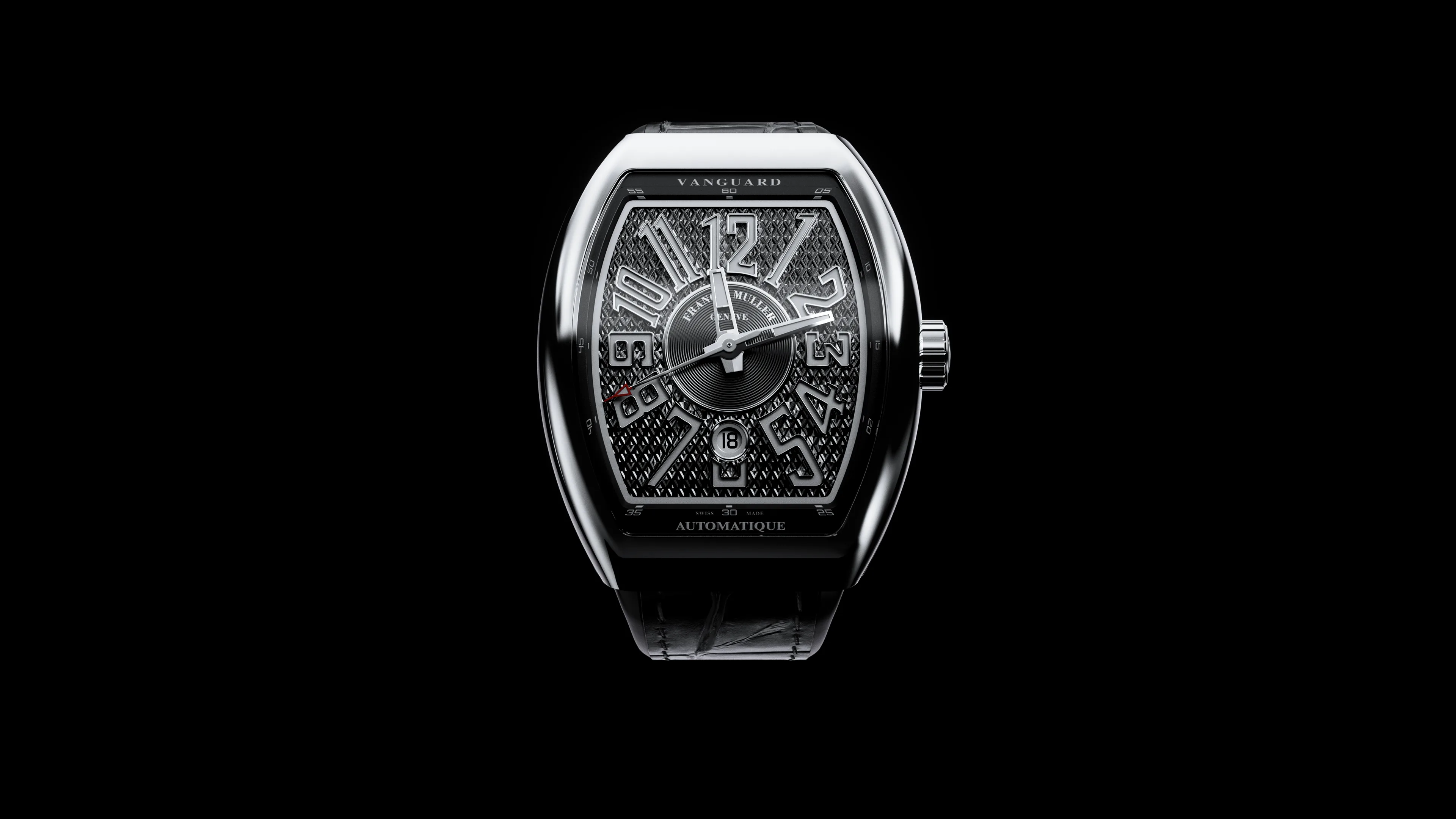
CGI has moved from a production workaround to a premium creative language. For campaigns, it can make the impossible feel tangible: gravity-defying products, surreal environments, cinematic brand worlds, perfect material control, and imagery that scales across launch assets, social content, out-of-home, retail, and motion.
But strong CGI campaign imagery does not happen because a render is technically impressive. It happens when the creative direction is clear, the visual system is consistent, and every decision supports the brand story. The best CGI images feel intentional, not artificial. They sell an idea before they show off a technique.
Below are practical best practices for art directing CGI campaign imagery, from concept development to final delivery.
Start With the Campaign Idea, Not the Software
The most common mistake in CGI campaign work is starting with the toolset. A team gets excited about simulations, materials, lighting, or AI-assisted concepting before answering the more important question: what should this image make people feel?
A strong CGI campaign starts with a strategic creative idea. The imagery should express a message the audience can understand quickly, even if the execution is surreal or technically complex.
Before discussing render engines, camera angles, or environments, align on the fundamentals:
- The campaign message and single-minded proposition
- The audience and the moment in their customer journey
- The emotional tone, such as premium, playful, futuristic, intimate, rebellious, or calm
- The role of the imagery across channels
- The level of realism or stylization that fits the brand
For example, a beauty brand may use CGI to express softness, luminosity, and ingredient purity. A luxury automotive campaign may use CGI to emphasize precision, speed, and atmosphere. A tech brand may use 3D visualization to make an invisible benefit feel physical.
When the concept is sharp, production choices become easier. If the idea is vague, even the most polished render can feel decorative.
Define the Brand World Before the Hero Image
Campaign imagery often fails when each image is art directed in isolation. CGI gives brands the ability to build complete visual worlds, so the goal should be more than one beautiful key visual. The goal is a system.
A brand world includes the visual rules that make an image recognizable as belonging to the campaign. This can include color, materials, lighting, composition, scale, texture, space, and movement principles. Once those rules are defined, the campaign can expand across formats without losing coherence.
Think of the hero image as one scene inside a larger universe. Even if the campaign only launches with a few stills, the art direction should answer what exists beyond the frame.
| Art direction element | Key question to answer | Why it matters |
|---|---|---|
| Color palette | Which colors own the campaign? | Creates recognition across placements |
| Material language | What surfaces, textures, and finishes define the world? | Helps CGI feel tactile and brand-specific |
| Lighting | Is the mood soft, dramatic, clinical, natural, or cinematic? | Shapes emotion before the viewer reads the message |
| Composition | Should the product feel monumental, intimate, dynamic, or serene? | Directs attention and supports the campaign idea |
| Environment | Is the setting realistic, abstract, symbolic, or impossible? | Gives the image narrative context |
| Motion potential | Could the still image extend into animation or virtual experiences? | Future-proofs the asset system |
For ambitious brands, this world-building approach is especially important. It helps CGI imagery do more than illustrate a product. It creates a visual territory the brand can own.
Build a Precise Reference System
References are essential in CGI art direction, but they are often misused. A moodboard full of beautiful images is not enough. The team needs to know what each reference is solving.
Separate references by function. One image may define lighting, another may define material texture, another may inform camera perspective, and another may establish emotional tone. This prevents subjective feedback like “make it more premium” or “make it more futuristic,” which can slow down production.
A useful reference system might include:
- Lighting references for contrast, shadow softness, and reflections
- Material references for glass, chrome, liquid, fabric, skin, packaging, or product finishes
- Composition references for camera height, lens feel, negative space, and cropping
- Environment references for architecture, atmosphere, terrain, or abstract forms
- Brand references showing what must remain consistent with existing identity assets
The more specific the reference, the more efficiently CGI artists can translate art direction into production decisions. Precision does not limit creativity. It protects the idea.
Decide Early Between Realism, Hyperrealism, and Stylization
CGI campaign imagery sits on a spectrum. Some campaigns need photorealism, where the viewer should not notice the image was digitally created. Others benefit from hyperrealism, where reality is heightened through perfect light, impossible scale, or idealized materials. Some brands need stylization, where the imagery is openly artificial, graphic, or surreal.
Each direction has different implications for production and art direction.
Photoreal CGI requires rigorous attention to physical details: scale, imperfections, dust, fingerprints, surface variation, lens behavior, and believable lighting. Hyperreal CGI allows more polish, but it still needs a foundation in real-world logic. Stylized CGI gives more freedom, but it must be governed by consistent visual rules.
A campaign can fail when the intended style is unclear. An image that aims for photorealism but misses small details can feel fake. An image that aims for stylization but borrows too much from realism can feel unresolved. The audience may not know why the image feels wrong, but they will feel it.
Define the visual contract early. Are you asking the viewer to believe the scene exists, or to enter a designed brand fantasy?
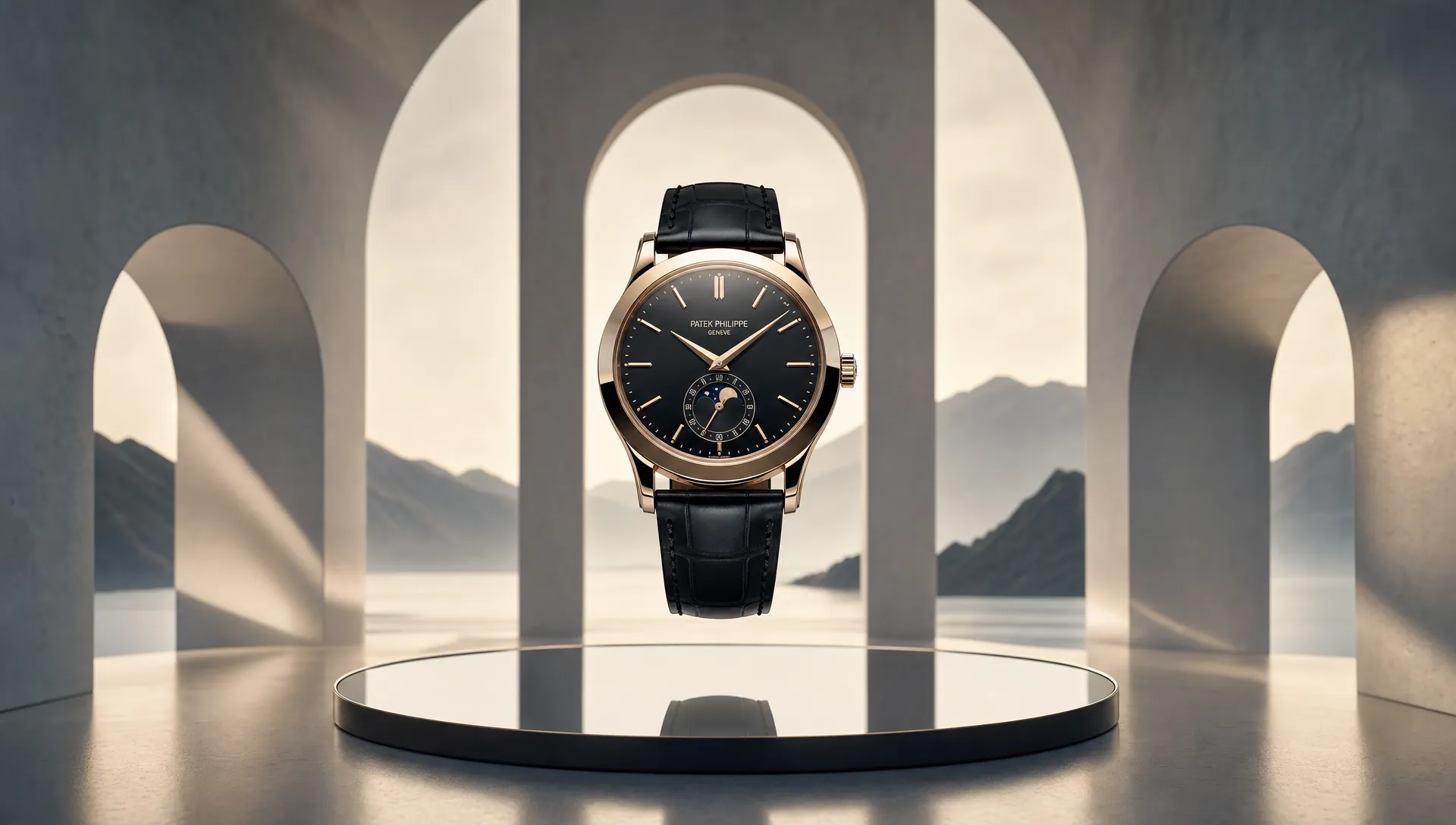
Treat Materials as Brand Storytelling
In CGI, materials are not just technical surfaces. They are storytelling tools. A product rendered in brushed metal communicates something different from the same product surrounded by translucent glass, soft fabric, liquid chrome, mineral textures, or organic forms.
Material choices can express values such as innovation, sustainability, sensuality, precision, warmth, performance, or rarity. They also affect how premium the image feels. High-end CGI depends on subtle material behavior: realistic reflections, surface irregularities, thickness, refraction, edge wear, and micro-textures.
A good art director should be able to explain why a material belongs in the campaign. If the campaign is about purity, perhaps the world uses clear gels, frosted glass, and clean atmospheric light. If it is about power, perhaps the visual language uses dense metals, sharp shadows, and monumental scale.
Avoid adding trendy materials simply because they look impressive. Chrome, liquid, inflated forms, iridescence, and glassmorphism can all be beautiful, but they need to serve the brand idea.
Use Lighting to Create Emotional Hierarchy
Lighting is one of the fastest ways to make CGI campaign imagery feel premium or generic. It controls mood, depth, realism, and the viewer’s eye path.
In product-focused campaign imagery, lighting should do three jobs at once. It should reveal the form clearly, create emotional atmosphere, and guide attention toward the most important feature or message. A technically accurate lighting setup is not always the best campaign lighting setup. Advertising imagery often needs controlled exaggeration.
Consider these lighting decisions during art direction:
- Should the product feel discovered, staged, monumental, or in motion?
- Are shadows soft and luxurious, or sharp and graphic?
- Do reflections clarify the form, or create visual noise?
- Is the background lighting competing with the subject?
- Can the lighting system extend across multiple campaign assets?
CGI makes lighting endlessly adjustable, which is both a strength and a risk. Without a clear direction, teams can spend too long exploring minor variations. Establish the lighting mood early, then refine for quality.
Art Direct the Camera Like a Photographer Would
CGI frees the camera from physical constraints, but that does not mean every angle is equally effective. Campaign imagery still benefits from photographic discipline.
Camera height, focal length, depth of field, cropping, and perspective all shape how the audience perceives the subject. A low angle can make a product feel heroic. A macro perspective can make texture and detail feel intimate. A wide lens can create energy and distortion, while a longer lens can make an image feel composed and premium.
The best CGI often feels like it was photographed by someone with taste. Even when the scene is impossible, the camera logic feels intentional.
Avoid default 3D camera angles that show the object clearly but lack attitude. A campaign image is not a product catalog render. It needs a point of view.
Design for the Full Campaign Ecosystem
CGI campaign imagery is rarely used in one place. A hero visual may need to work as a website banner, paid social ad, vertical story, print spread, retail display, digital out-of-home placement, pitch deck, email header, and motion teaser.
This should influence the art direction from the start. A beautiful horizontal composition may fail in vertical formats if the focal point is too wide. A detailed environment may be wasted in small mobile placements. A product may need extra negative space for headlines, logos, or retail information.
Before production begins, map the most important outputs. Then art direct compositions that can adapt without compromising the idea.
| Asset type | Art direction consideration | Common risk |
|---|---|---|
| Hero website image | Needs strong first impression and layout flexibility | Too much detail behind copy |
| Paid social | Must read quickly on mobile | Product too small or concept too subtle |
| Out-of-home | Needs instant recognition at distance | Overly complex scene |
| Retail display | Must connect product and desire immediately | Visual too abstract for purchase context |
| Motion teaser | Needs depth, parallax, or transformation potential | Still image has no cinematic extension |
| Press or PR assets | Should communicate campaign quality without explanation | Image relies too much on headline context |
A strong CGI campaign is modular. It has enough consistency to feel unified and enough flexibility to perform across channels.
Collaborate Early With 3D Artists and Production Partners
Art direction becomes stronger when creative and production teams collaborate early. CGI is highly flexible, but not every idea has the same production implications. A small creative decision can affect modeling, simulations, materials, lighting, render time, compositing, and delivery.
For example, a liquid splash around a product may require simulation work. A fabric environment may need cloth behavior, texture scanning, or detailed sculpting. A transparent object may require careful refraction and compositing. A surreal world may need custom modeling rather than stock assets.
Early collaboration helps the team identify the smartest way to achieve the idea. Sometimes the most effective solution is fully CGI. Sometimes it combines CGI with photography, practical textures, scanned objects, or virtual production workflows. The right approach depends on the creative goal, timeline, budget, and required level of control.
This is where experienced creative digital production matters. A partner like The New Face can help brands think beyond isolated assets and shape visual experiences that feel distinctive, scalable, and campaign-ready.
Create a Feedback Process That Protects the Work
CGI production can involve many review stages: concept frames, layout, clay renders, material tests, lighting previews, look development, animation tests, compositing, and final grade. Without a clear feedback process, revisions can become subjective and inefficient.
The best feedback is specific, prioritized, and connected to the campaign goal. Instead of saying “this feels off,” explain what is not working and why. Is the material too plastic? Is the product not premium enough? Is the composition failing to guide the eye? Is the lighting making the brand feel colder than intended?
It is also important to separate creative feedback from technical feedback. Creative feedback addresses concept, emotion, composition, and brand fit. Technical feedback addresses artifacts, geometry, reflections, texture resolution, edges, masks, and output specifications. Mixing the two can make reviews confusing.
A simple review structure helps:
- First review the idea and composition
- Then approve form, scale, and layout
- Then refine materials and lighting
- Then polish details and compositing
- Finally check channel-specific crops and exports
Late-stage conceptual changes are expensive because they can undo approved production work. Make the big decisions early and reserve final rounds for refinement.

Balance Perfection With Believability
CGI can make everything flawless. That is exactly why it can sometimes feel sterile.
Believable imagery often includes controlled imperfection. This does not mean making the work messy. It means adding enough natural variation to avoid the overly smooth, weightless, frictionless look that audiences associate with cheap CGI.
Depending on the campaign style, believability may come from subtle surface texture, imperfect reflections, realistic contact shadows, atmospheric haze, lens characteristics, tiny asymmetries, or environmental interaction. Even abstract scenes need visual cues that help the viewer understand scale and material behavior.
For luxury and premium brands, this balance is especially important. Perfection should feel crafted, not synthetic. The viewer should sense control, but not lifelessness.
Keep the Product Truth Intact
CGI gives brands enormous creative freedom, but campaign imagery still needs to respect the product. If the product is too altered, idealized, or misrepresented, the campaign can create a trust problem.
This is particularly important for categories like beauty, fashion, automotive, technology, furniture, and consumer goods. Materials, proportions, colors, packaging details, interface elements, and functional features should be accurate unless the image is clearly conceptual.
Art directors should define what can be stylized and what must remain true. For example, the environment may be surreal, but the product color may need exact brand approval. The lighting may be cinematic, but the material finish must match the physical object. The scale may be exaggerated, but the design details must remain correct.
The strongest CGI campaign imagery makes the product more desirable without making it misleading.
Plan for Motion, Interaction, and Future Extensions
Even if the immediate brief is still imagery, CGI assets can often become the foundation for motion, interactive content, virtual worlds, product configurators, launch films, social animations, or immersive brand experiences.
This is one of the biggest advantages of CGI over traditional production. A well-built 3D scene can create multiple campaign assets from one visual system. But this only works if future uses are considered early.
If the brand may need motion later, the team should think about depth, camera paths, object separation, animation potential, and environment continuity. If the campaign might expand into a virtual experience, the world should be designed with spatial logic, not just a single front-facing composition.
This does not mean every still campaign needs to become an interactive experience. It means smart art direction leaves room for growth.
Common CGI Art Direction Mistakes to Avoid
Even experienced teams can fall into predictable traps when directing CGI. The most common issues are usually not technical. They are creative alignment problems.
One mistake is overloading the image with too many ideas. CGI can show anything, but campaign imagery needs focus. If the product, environment, materials, typography, and effects are all competing for attention, the audience will not know where to look.
Another mistake is chasing trends without building a brand-specific visual language. A campaign may look current, but not ownable. If several competitors could use the same visual world, the art direction is not distinctive enough.
It is also risky to approve still frames without testing real placements. An image can look beautiful in a presentation deck and fail as a mobile ad or retail display. Always judge the work in context.
Finally, avoid treating CGI as a shortcut. It can be more flexible than a physical shoot, but high-quality CGI still requires concepting, craft, iteration, and taste.
A Practical Checklist for CGI Campaign Imagery
Use this checklist before moving from creative direction into production:
- Is the campaign idea clear enough to explain in one sentence?
- Does the visual world feel ownable for the brand?
- Are references organized by purpose, not just mood?
- Has the realism level been defined?
- Do materials communicate the right brand values?
- Does the lighting create emotion and hierarchy?
- Is the camera angle intentional and campaign-worthy?
- Have all priority formats and crops been considered?
- Are product details accurate where they need to be?
- Is there a plan for feedback, approvals, and final delivery?
If the answer to any of these questions is unclear, solve it before production complexity increases.
Frequently Asked Questions
What is CGI campaign imagery? CGI campaign imagery is advertising or brand imagery created partly or fully with computer-generated 3D visuals. It can include products, environments, materials, effects, and scenes that would be difficult, costly, or impossible to photograph physically.
How is art directing CGI different from art directing photography? CGI art direction requires many of the same creative skills as photography, including composition, lighting, mood, and storytelling. The difference is that every element can be built and controlled from scratch, so the art director must define the visual rules more precisely.
Can CGI imagery look premium and realistic? Yes, but premium CGI depends on taste, detail, and restraint. Realistic materials, controlled lighting, believable scale, subtle imperfections, and strong compositing all help CGI feel high-end rather than artificial.
When should a brand choose CGI instead of a photoshoot? CGI is especially useful when a campaign needs impossible environments, perfect product control, multiple asset variations, future motion extensions, or visuals that would be difficult to capture practically. Photography may still be the right choice when human authenticity, spontaneous moments, or real-world texture are central to the idea.
How early should a CGI production partner be involved? Ideally, a CGI partner should be involved during concept development or pre-production. Early input helps shape ideas that are creatively strong and technically achievable, while avoiding expensive changes later.
Create CGI Campaign Imagery With a Stronger Point of View
The best CGI campaign imagery is not defined by technical novelty. It is defined by clarity, taste, and a visual world that makes the brand impossible to ignore.
If your brand is exploring CGI, virtual production, or a more ambitious approach to digital experiences, start with the story you want to own. Then build the image system around it.
The New Face crafts iconic virtual experiences and imagery for ambitious brands, helping translate bold creative direction into distinctive digital worlds and campaign visuals.
Get in Touch
Let's talk about your next project.